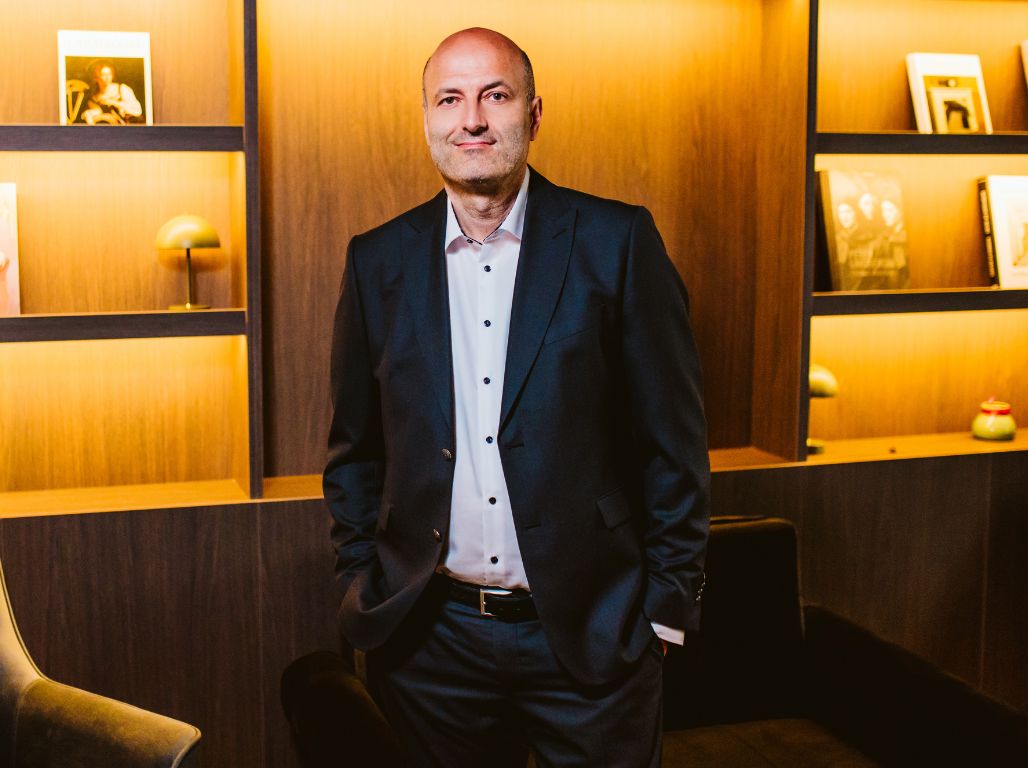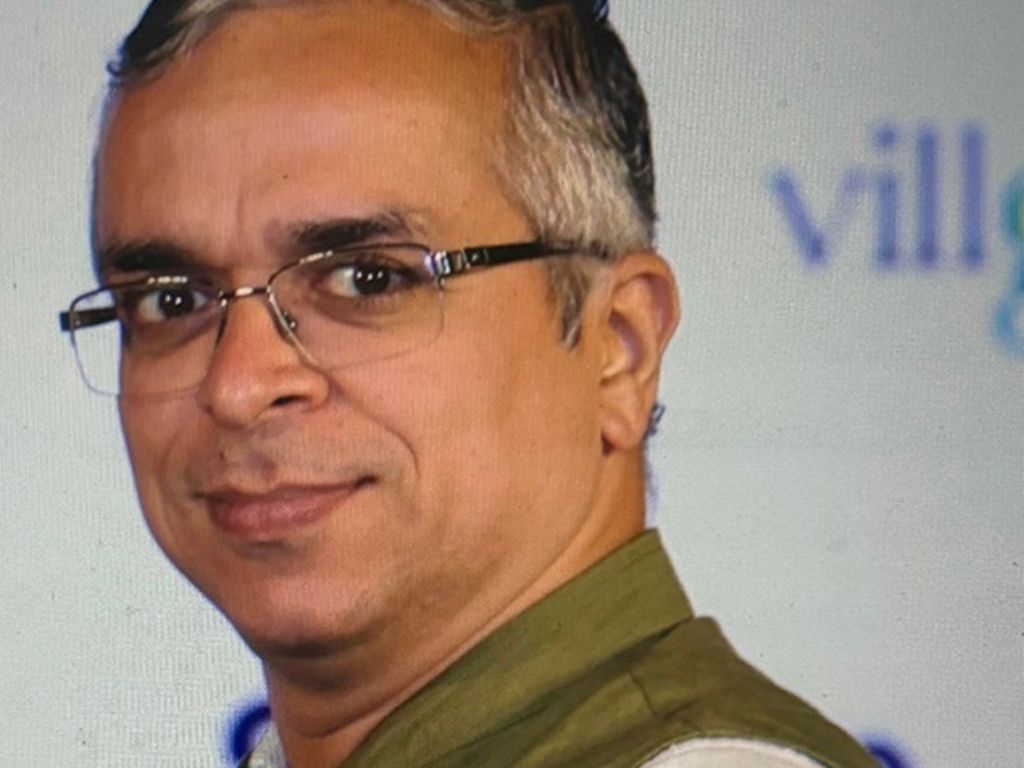
With over 30 years of experience across telecom, FMCG and financial services, Anand Subramaniam shares how the Fractional CFO role can turn financial discipline into a strategic growth driver for companies.
Anand Subramaniam is a Strategic Fractional CFO with over 30 years of experience driving financial excellence across the Telecom, FMCG, and Financial Services sectors. A specialist in building institutional-grade finance functions, Anand has a proven track record of scaling NBFC operations and leading finance for global corporations.
Today, he translates decades of “big-corp” governance into “startup-speed” execution—partnering with SMEs to transform financial discipline into a strategic growth lever. Beyond his CFO mandates, Anand is a dedicated mentor, helping the next generation of leaders navigate the complexities of modern business leadership.
Fractional Insider: How was your transition from a traditional career to fractional leadership/consulting?
Anand: The transition requires moving from a role of oversight to one of direct execution. In a traditional role, I steered a ship; as a fractional CFO, I am often building the engine while navigating the waters. It is a continuous process of unlearning and relearning. In the corporate world, I led large teams tackling big-scale issues with long gestation periods. As a fractional leader, I work with smaller businesses where the impact is faster and the involvement is deeper—I often wear multiple hats, bridging the gap between finance and operations.
Fractional Insider: What attracted you most to this model, and what challenges did it bring?
Anand: The “compounding knowledge bank” was the biggest draw. While I have worked across financial services, telecom, FMCG, and consumer electronics, the attraction isn’t just variety—it’s the ability to cross-pollinate best practices. I can take the governance of a telecom giant and apply its rigor to a growing NBFC startup. This “intellectual arbitrage” is why clients hire me. The challenge is that the learning curve is steep and requires high-velocity immersion. As a senior leader, the expectation is to drive growth or turnarounds quickly; that intensity keeps me intellectually engaged.
Fractional Insider: How do you choose the projects and clients you work with?
Anand: I am selective by design. I look for “scalable partnerships”—clients where there is a clear alignment on goals and, most importantly, an openness to change. Even if that selectivity limits the number of engagements, it ensures that the work I do is transformative rather than just transactional.
Fractional Insider: Tell us about a moment when you had a major impact as a fractional leader.
Anand: Early in my fractional journey, I worked with an EPC client where the gap wasn’t talent, but systems. By implementing rigorous internal financial controls, we moved them from “audit-anxious” to “investment-ready” within weeks. It wasn’t just about the books; it was about giving the CEO the strategic confidence to pitch for significantly larger, more complex contracts.
Fractional Insider: What are the main differences between being a full-time executive and a fractional one?
Anand: A full-time role offers the stability of a defined structure and team. In contrast, a fractional role trades that stability for immense flexibility and a focus on high-impact results. Clients are often resource-constrained, so I find myself contributing beyond the traditional CFO mandate—diving into operations, HR strategy, and digital process improvement to ensure the business scales.
Fractional Insider: How do you explain the value of a fractional leader to a skeptical CEO?
Anand: I tell skeptical CEOs: “A consultant gives you a map; a fractional leader drives the car with you.” The value isn’t just in the cost-efficiency; it’s in gaining decades of institutional wisdom on a tailored, part-time basis. You get C-suite expertise without the full-time overhead, allowing you to invest those savings back into your core operations.
Fractional Insider: What are the most common mistakes companies make when working with fractionals?
Anand: The most common mistake is an undefined scope. Especially with time-bound contracts, companies often rush in without defining what success looks like. Clarity on deliverables and timelines from day one makes the engagement far more effective for both parties.
Fractional Insider: How do you see this career model evolving in the coming years?
Anand: We are moving toward a “Portfolio Economy.” Businesses no longer need to own every asset—including their leadership. As AI automates the transactional side of finance, the Fractional CFO becomes the architect of strategy and governance, two things you cannot automate. In developing economies, we are seeing family-owned businesses institutionalize; they are realizing they don’t need a full-time veteran for every role, but they do need surgical expertise to grow. The model is evolving from a cost-saving tactic to a strategic growth enabler.
Fractional Insider: What advice would you give to a senior professional considering becoming fractional?
Anand: Stop thinking like an employee and start thinking like a solution. Your value is no longer your title or your years of service; it is your ability to solve a specific, high-stakes problem. Networking is your lifeblood—most opportunities come through trusted referrals—so build your reputation on results, not just a resume.
Anand Subramaniam’s journey shows how decades of experience in global corporations can become a strategic advantage for growing businesses.