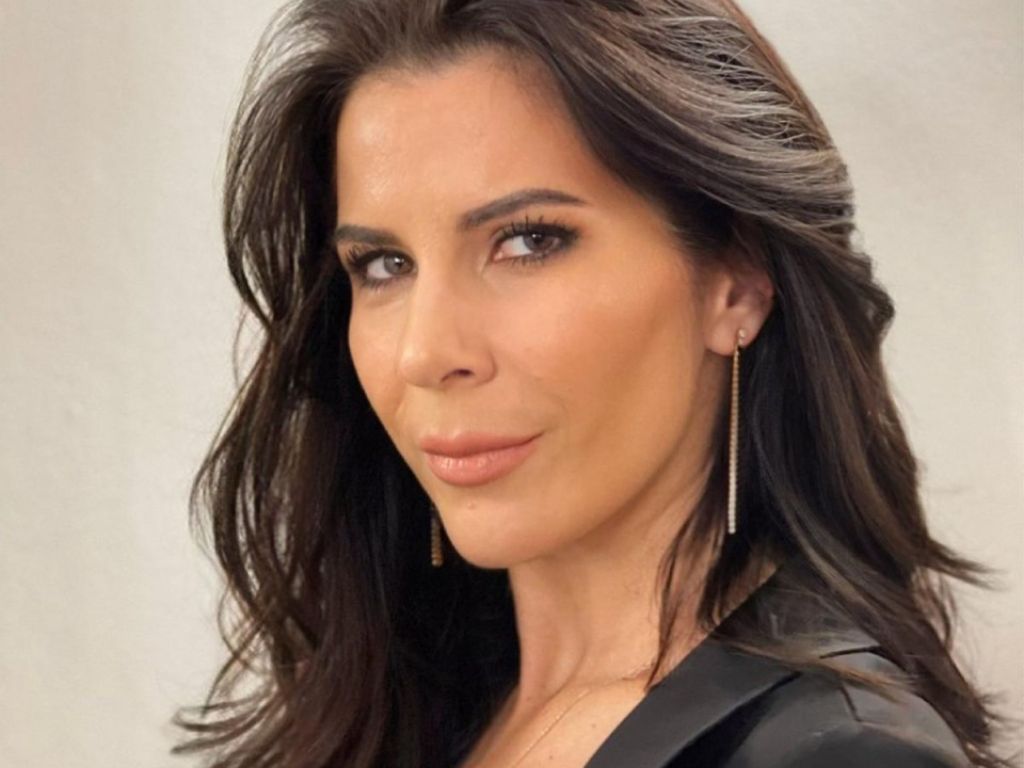
Christian Schulze, founder of Kaion Advisory, explains how fractional leadership works, why it’s gaining traction, and how companies can access strategic tech expertise without full-time hires.
Christian Schulze is the founder of Kaion Advisory (kaion-advisory.com), a Frankfurt-based firm specializing in technical due diligence for M&A and private equity transactions on both the buy and sell side. With over 10 years of experience as a CTO across European startups and a successful SaaS exit under his belt, he brings pattern recognition from dozens of tech organizations to every engagement. Chris works with PE firms and startups across Europe, the USA, and the UAE, and also serves as a fractional CTO for companies needing strategic tech leadership without a full-time hire.
Fractional Insider: How was your transition from a traditional career to fractional leadership/consulting?
Christian: After 10+ years as a CTO across different European startups (fintech, consumer apps, developer tools) I’d built up pattern recognition that felt wasted sitting in one company. I’d see a problem and think “I’ve solved this exact thing three times before.” Fractional work lets me deploy that experience across multiple teams instead of re-learning the same lessons in one place.
The transition happened through inbound opportunities. My background in AI/ML, my experience scaling teams, my own exit as a founder: it all added up. When companies came looking for strategic tech leadership without a full-time hire, I was able to connect the dots.
Fractional Insider: What attracted you most to this model, and what challenges did it bring?
Christian: What attracted me: leverage. I can walk into a company, see their engineering org, their architecture, their processes, and within weeks identify the three things that will actually move the needle. In a full-time role, you spend months building context. As a fractional, you bring context from everywhere else.
The challenge is context switching. You’re handling multiple companies in parallel, each with their own problems, people, and priorities. Being efficient with where I spend my time and maintaining clear boundaries is essential. Without that discipline, you drown.
Fractional Insider: How do you choose the projects and clients you work with?
Christian: Human fit comes first. Good communication, aligned expectations, and the feeling that I can actually add value. I need to believe I can move the needle for them. If that’s not there, I’ll walk. Life’s too short to force engagements that don’t work for either side.
Fractional Insider: Tell us about a moment when you had a major impact as a fractional leader.
Christian: Post-merger situation: two companies combining, neither had a CTO. I came in to create the unified tech organization and prepare the company for exit. In the middle of that process, a crucial data center fell victim to the Iran conflict and suddenly more than half the revenue was at risk.
So I was simultaneously doing exit preparation, technical due diligence readiness, and crisis management to protect the business. We got through it. That’s the kind of situation where a fractional leader earns their keep: you need someone who can operate at the strategic level and handle fires at the same time.
Fractional Insider: What are the main differences between being a full-time executive and a fractional one?
Christian: For the company: you get senior experience for a fraction of the price. No €200K+ package, no 6-month notice period, no equity negotiation. Just the expertise you need, when you need it.
For quality of insight: I don’t have what we call “Betriebsblindheit” in German. Operational blindness. When you’re inside a company for years, you stop seeing the problems. I come in fresh. My exposure to dozens of different teams, architectures, and processes means my time-to-learning is compressed. I’ve probably seen your problem before, just in a different context.
Fractional Insider: How do you explain the value of a fractional leader to a skeptical CEO?
Christian: I ask them what problem they’re actually trying to solve. Usually it’s one of two things: they need strategic tech leadership but can’t justify or afford a full-time CTO, or they’re about to make a big decision (fundraise, acquisition, major pivot) and need experienced eyes on the technology.
For the first: a fractional CTO gives you 80% of the value at 20% of the cost. You’re not paying for someone to sit in meetings all day. You’re paying for pattern recognition, decision-making, and the ability to spot problems before they become expensive.
For the second: would you rather figure out your technical debt is a dealbreaker during due diligence, or six months before when you can actually fix it?
If they’re still skeptical, they’re probably not ready for it. And that’s fine.
Fractional Insider: What are the most common mistakes companies make when working with fractionals?
Christian: Not understanding the role. A fractional CTO is a leader and strategic advisor who can also be hands-on when needed. Some companies, especially smaller ones, treat you like an engineer they’re renting by the hour. That creates bottlenecks and wastes the real value you bring.
The other mistake is skepticism that blocks collaboration. I get it, I’m an outsider. But if you hired me to help, let me help. I work best when you let me run. The companies that get the most value are the ones that give me context, access, and trust. The ones that hold back make it harder for both of us.
Fractional Insider: How do you see this career model evolving in the coming years?
Christian: The skeptics will shrink. This model is becoming more understood and more attractive. Startups have a notorious lack of good CTOs. Not founding engineers who grew into the title, but actual strategic tech leaders. Fractional fills that gap without requiring equity or a full-time commitment they can’t afford.
On the other side, larger companies are realizing they can bring in a fractional leader who fits a specific situation perfectly, without the overhead and long-term commitment of a permanent hire. That flexibility opens up possibilities for both sides.
Fractional Insider: What advice would you give to a senior professional considering becoming fractional?
Christian: Start before you leave your job. Build your pipeline while you still have income. Figure out your sales funnel: where will clients come from, how will they find you, what’s your positioning.
Think hard about your unfair advantage. What do you bring that others don’t? Don’t try to be everything to everyone. That’s how you spread thin and become forgettable. Pick your lane.
And then just start. Take the first client, learn what works, adjust. You’ll figure out the rest as you go.
Christian Schulze’s experience shows that real value doesn’t lie in constant presence, but in clarity of decisions, speed of execution, and the ability to anticipate problems before they become costly. In an ever-evolving ecosystem, flexible leadership is no longer a luxury, but a necessity.