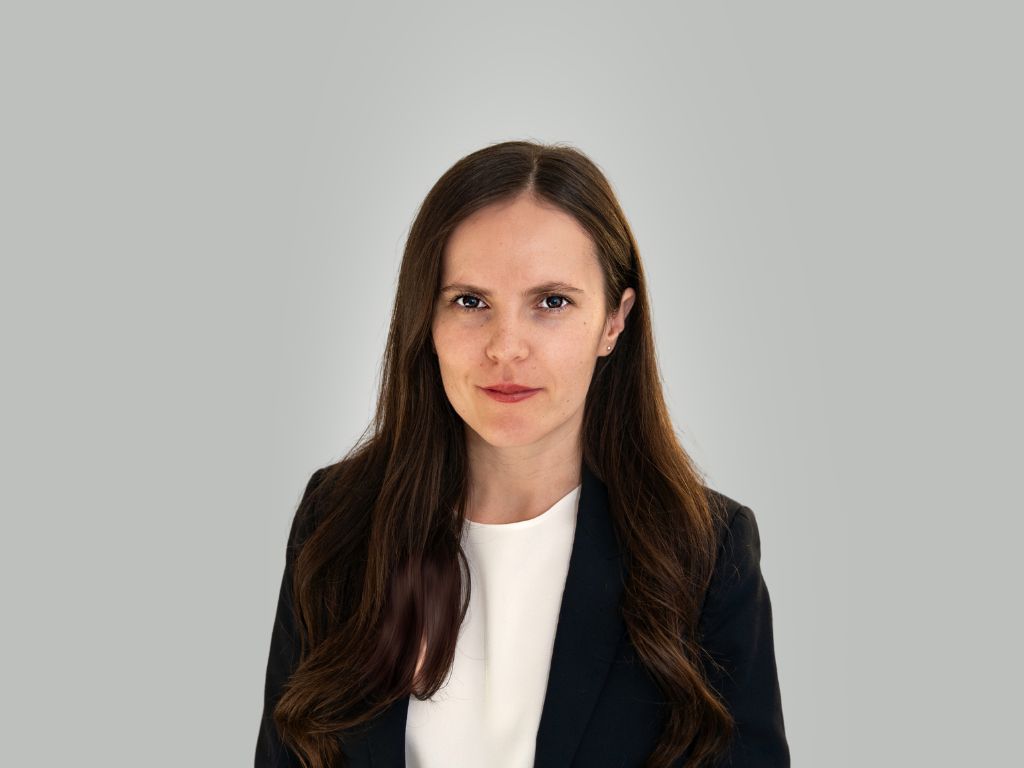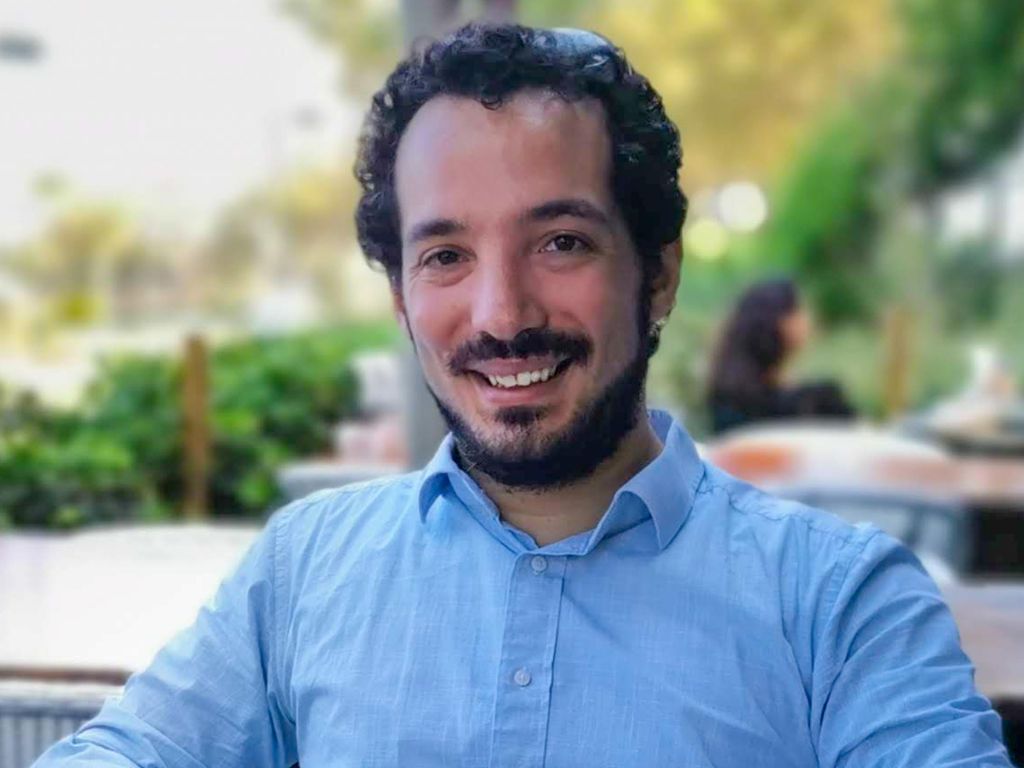
Interview with Raphael Benhamou, founder of Benhamou Consulting and fractional CFO, on fractional leadership, strategic finance, and how companies can turn finance into a strategic advantage.
Raphael Benhamou is the founder of Benhamou Consulting, a boutique strategic finance consultancy. His career spans financial planning and analytics, risk advisory at EY, and leadership roles in boutique firms specialising in financial modelling and strategic finance. Since 2020, Raphael has advised organisations across industries including technology, health, climate, education, and professional services. He is known for building bespoke financial models that serve as “digital twins” of a business, connecting strategic vision with operational execution. Raphael’s work enables leadership teams to navigate uncertainty, improve valuation, and make confident, data-driven decisions.
Fractional Insider: How was your transition from a traditional career to fractional leadership/consulting?
- Raphael Benhamou: Before joining EY, I worked at two boutique consultancies, one focused on FP&A and strategic finance, the other on operational and financial modelling. In those roles, I had a lot of responsibility and direct impact on client outcomes, which gave me a taste for working in smaller, more agile environments. EY, by contrast, offered big, regulated clients but less scope for hands-on impact.
When I first stepped into independent consulting, it was meant as a stop-gap between jobs. Covid extended that period, and over time I realised I was enjoying the work far more than expected. Fractional consulting gave me the best of both worlds: I get to operate at the C-suite level, but across multiple industries, geographies, and company types, from early-stage startups to mature SMEs. I also have the freedom to run projects in the way I believe works best, from scoping to client management.
The transition was far from smooth. I’d never had to sell services before, manage my own pipeline, or wear every single hat in a business. I’ve also experienced the feast-and-famine cycles that most consultants go through, and I’ll be honest, I’m still working to keep the famines away for good. But the upsides outweigh the challenges – the variety of work, the impact I can have, and the ability to help founders and leaders make decisions that truly shape their companies’ futures.
Fractional Insider: What attracted you most to this model, and what challenges did it bring?
Raphael Benhamou: What attracted me most was the variety. No two companies are alike, and every client brings a new puzzle. I also liked the fact that, as a fractional CFO, you often get to work on the most important strategic challenges a company is facing – fundraising, transformations, expansion – the things that really make a difference. The challenges? You have to build trust fast. Unlike a full-time role, you don’t have six months to onboard. You need to show impact within weeks, sometimes days. And managing capacity can be tricky. You can’t overcommit, because the quality of your work is what keeps your reputation strong.
Fractional Insider: How do you choose the projects and clients you work with?
Raphael Benhamou: I look for clients who are serious about making finance a strategic function, not just a compliance exercise. The best partnerships happen when leadership is willing to use numbers to guide decisions, even when the answers are uncomfortable. I also value preparedness, I can and do step in when a founder calls me at the eleventh hour, but the real magic happens when I’m brought in early enough to design systems that prevent those fire drills in the first place. Ultimately, I look for businesses at an inflection point, whether that’s fundraising, expansion, or restructuring, where my work can meaningfully shift their trajectory.
Fractional Insider: Tell us about a moment when you had a major impact as a fractional leader.
Raphael Benhamou: One of the most impactful engagements was with a startup that had just two or three months of runway left. On top of redesigning their financial model and stress-testing different scenarios, I helped them sell off part of the business to save the rest. That decision extended their runway by nine months, giving the remaining team breathing space to explore clients and financing options. Eventually, they sold the rest of the company, but at a higher valuation than they were expecting. For me, that was a clear example of how financial strategy can move beyond spreadsheets into life-or-death decisions for a business. I’ve also supported several companies through successful fundraising rounds and M&A processes, but this case stood out because it demonstrated how finance can literally save a company.
Fractional Insider: What are the main differences between being a full-time executive and a fractional one?
- Raphael Benhamou: The biggest difference is intensity. As a fractional, every minute I spend with a client has to deliver value. There’s very little downtime. When the pace slows with one client, I’m immediately shifting to another engagement or to running my own business. In a full-time executive role, there’s often more space for internal politics, company culture, or simply slower cycles of decision-making.
There’s also a difference in breadth versus depth. A full-time executive goes deep into one organisation’s challenges and culture. As a fractional, I bring in breadth from working across industries, geographies, and business models, which means I can cross-pollinate ideas and apply best practices that clients wouldn’t normally have access to. The trade-off is that I don’t have the same day-to-day immersion in one company, but that distance can also give me clearer perspective.
Fractional Insider: How do you explain the value of a fractional leader to a skeptical CEO?
- Raphael Benhamou: I usually start by listening closely to their situation, because the value of a fractional CFO depends on where the company is in its journey. Often, I meet founders who’ve been running finance and strategy themselves. The business is doing fine, but they’ve reached a point where it could be doing better, and they need to step back from the spreadsheets to focus on leading. Other times it’s a CEO preparing for a fundraise, realising their model either doesn’t exist or isn’t strong enough to withstand investor scrutiny. Occasionally, it’s someone who’s had a less-than-ideal experience with a fractional before and is looking for a different approach.
Rather than trying to sell fear, I position myself as a sounding board and partner. I bring experience from dozens of other companies facing similar challenges, and I share some initial insights on our very first call so they can see the value for themselves. It’s not about proving they “need” me, it’s about showing how the right financial partner can help them make better decisions, manage complexity, and move forward with more clarity and confidence.
Fractional Insider: What are the most common mistakes companies make when working with fractionals?
- Raphael Benhamou: The biggest mistake I see is treating fractional leaders as short-term “project deliverers” rather than long-term strategic partners. I’ve had more than one engagement end right after the financial model was built, as if the model itself were the finish line. In reality, the model is only the beginning. The real value comes from continuously using it as a living tool, refining assumptions, testing scenarios, and translating insights into action. The better I get to know a business, the more valuable my input becomes. Cutting things short at the model stage is almost always detrimental in the long run.
Another mistake is focusing only on outputs rather than the process. Some teams want to see dashboards or results early, before the underlying model is even close to finished. That creates bias, they start expecting later outputs to match those early, incomplete versions, even if those were built on flawed or partial data. Engaging properly in the process, not just waiting for the shiny end-product, is key to making the most of fractional expertise.
Fractional Insider: How do you see this career model evolving in the coming years?
- Raphael Benhamou: I think the fractional model will only keep growing. More founders are realising they don’t need to “hack it” alone until they can afford a full-time hire. They can bring in a fractional leader earlier to add real structure and expertise, without the cost of benefits, the commitment of equity, or the risk of hiring too soon. It’s also a model that fits the wider shift in how people want to work: more flexibility, more focus on outcomes, and less tolerance for bloated headcount.
Some people are predicting the rise of “fractional pods” (groups of specialists who come in as a package). Personally, I think it’s a good idea and I’ve even tried to build or participate in something like that a few times myself. But in practice, demand has been patchy, and the model hasn’t really taken off yet. Maybe that will change, but I suspect the solo fractional (working deeply, flexibly, and embedded with leadership) will remain the dominant model for now.
Fractional Insider: What advice would you give to a senior professional considering becoming fractional?
- Raphael Benhamou: My first piece of advice is: don’t quit your day job straight away. Dip your toes in, try a few projects, and see if you actually like the model before going all in. It’s a very different way of working, and not everyone enjoys it.
Be ready to wear a lot of hats. You’re not just delivering the client work, you’re also selling, managing relationships, handling operations, and keeping your pipeline alive. It’s wise to think about how you can design services that lock in clients for longer periods, so you’re less exposed to the inevitable feast/famine cycle.
Rejection will happen, and you need to build some resilience to it, it’s part of the territory. Most importantly, value your time properly. Don’t undersell yourself just to win work. The right clients will pay for your expertise, and in the long run, it’s far better to be respected for the value you deliver than to be known as the cheapest option.
Through his vast experience and strategic mindset, Raphael Benhamou demonstrates how the fractional leadership model can redefine the way companies approach finance and long-term sustainability.