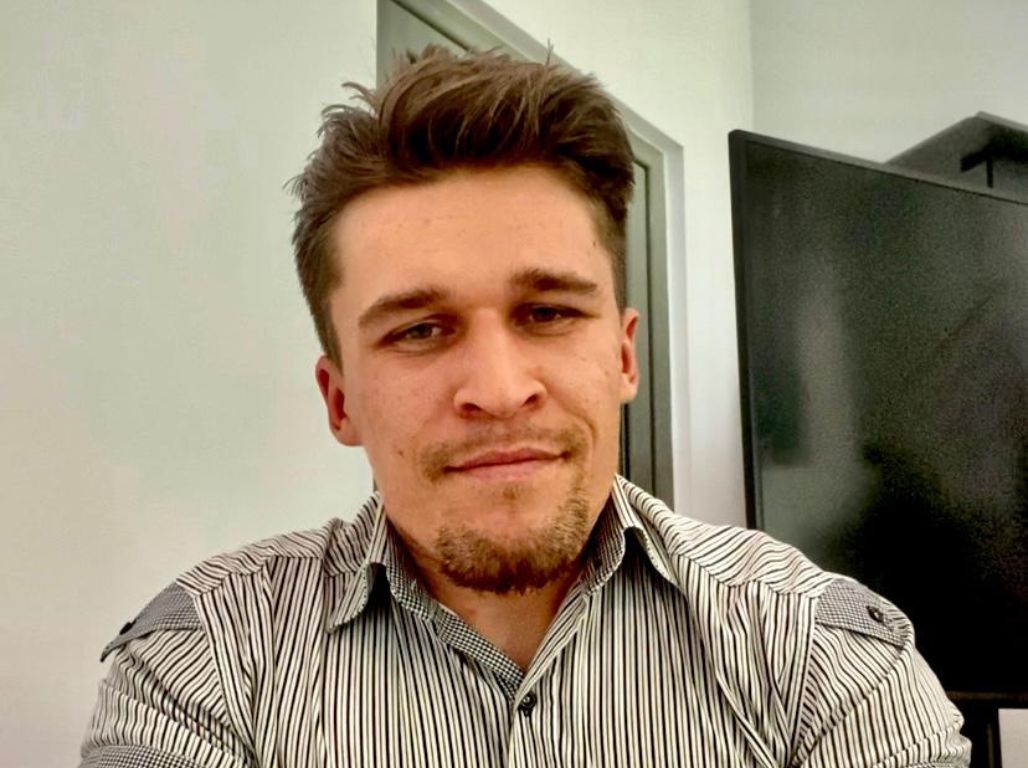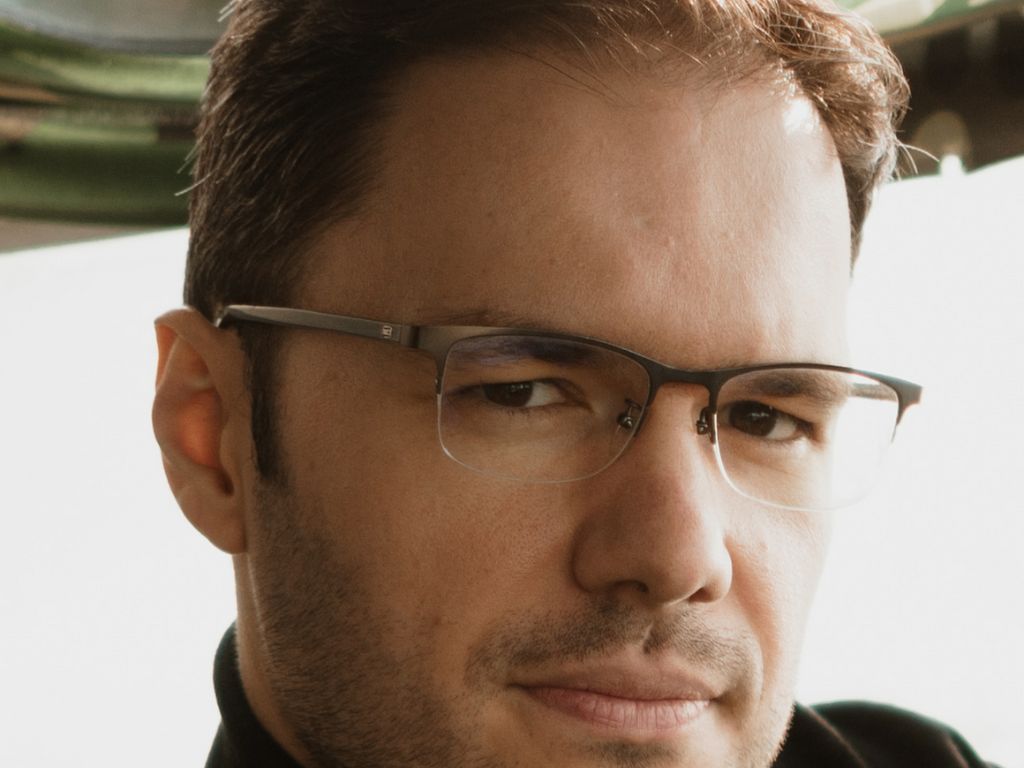
Catherine Nichols, AI-First Fractional CMO and co-founder of The Slice Network, shares insights on fractional leadership, portfolio careers, community, and building sustainable growth in an AI-driven economy.
Catherine Nichols is an AI First Fractional CMO and the Co-founder of The Slice Network, a global community dedicated to top-tier fractional marketing talent. With 20+ years of experience in senior marketing roles across global SaaS, FinServ, and Climate Tech, Catherine is a passionate advocate for empowering community and women in tech. She focuses on redefining modern leadership, helping companies build sustainable growth engines while empowering other marketers to navigate the “hidden market” and build thriving portfolio careers.
Fractional Insider: How was your transition from a traditional career to fractional leadership/consulting?
Catherine Nichols: To be honest, I didn’t choose fractional; the market chose me. I’d taken a four-year career break to raise my three children. When I returned post-COVID, I was met with a landscape that had shifted massivley. Previously, I held a senior EMEA marketing role in a global SaaS company, so I was used to the traditional corporate ladder. But the opportunities I found this time weren’t on job boards; they were in the “hidden market” of founders who needed senior expertise but weren’t hiring full-time.
Stepping into fractional leadership wasn’t just a professional pivot; it was a lifestyle one too. It allows me to continue operating at an executive level, be an active advocate for empowering women in tech, and, importantly, be a visible role model for my young family by showing them that high-impact work doesn’t require sacrificing life balance.
Fractional Insider: What attracted you most to this model, and what challenges did it bring?
Catherine Nichols: What drew me to the fractional model was the freedom to prioritise impact over activity. It gave me the agency to say “YES” to shared visions that resonated with me.
However, the journey isn’t without its friction. The “fractional juggle” can be really isolating, especially in the early days when you’re navigating the lonely work of defining your value proposition and pricing.
In our current 2026 landscape, where automation is the baseline, the premium on human leadership and community-driven wisdom has never been higher. That’s why Jeremy Laight and I co-founded The Slice Network, because community doesn’t happen by accident; it happens because people choose to show up and lean all the way in. We built The Slice to push each other further and provide the necessary edge, and I am genuinely grateful to be building this with a co-founder who brings endless energy and ideas.
Fractional Insider: How do you choose the projects and clients you work with?
Catherine Nichols: I look for intent over industry, leveraging my 20+ years of experience across global, start-up, and scale-up businesses in sectors like FinServ, SaaS, Climate tech, and HR. This breadth means I can spot patterns quickly.
The organisations that benefit most are the ones hungry for change and that view marketing as an investment that will help them transcend their current stage of growth. Often, I’m working with a company that has simply outgrown its old way of doing things, and I am their first-ever CMO. They need senior clarity, structure, and pace to get to the next level. I choose clients where I can come in and help design both the high-level strategy and the modern marketing capability that will propel them forward, rather than just executing on a pre-set list of tasks.
Fractional Insider: Tell us about a moment when you had a major impact as a fractional leader.
Catherine Nichols: Impact happens fastest when the baseline is broken. I had one early client who had been stuck in the same activity loop for years—spending money on ads that weren’t converting and blaming the channel.
Because I came in with fresh eyes and no internal baggage, I was able to spot the wastage immediately. Within 30 days, we identified six-figure wastage in their budget. We paused the spend, fixed the positioning, and within 60 days, acquisition hit record highs. It wasn’t magic; it was just the clarity of an outsider who isn’t afraid to stop the machine to fix it. This year’s biggest victory isn’t a revenue target; it’s creating professional spaces that are sustainable and supportive.
Fractional Insider: What are the main differences between being a full-time executive and a fractional one?
Catherine Nichols: My co-founder and I use a “lemon analogy” to explain this. In a traditional career, you hand your whole lemon (your time and energy) to one employer. Fractional work is about slicing that lemon and sharing it across a few high-impact businesses—and importantly, keeping a slice for yourself.
The practical difference is speed. As a fractional, you don’t get involved in office politics. You’re there to deliver specific outcomes. My mental capacity to “drop wisdom” only exists because I practice non-negotiable time, booking my own time first for things like sport, which gives me the quiet clarity to tackle the chaos of both business and the endless class WhatsApp messages that parenthood yields.
Fractional Insider: How do you explain the value of a fractional leader to a skeptical CEO?
Catherine Nichols: I frame it as “de-risking” their growth. I ask them: “Do you want to hire a full-time junior person who is guessing, or rent a senior expert who has solved this exact problem ten times before?”
It’s about commercial ownership. For the cost of a mid-level manager, a company gets C-suite strategy and execution. It’s the ultimate “try before you buy” for leadership talent.
Fractional Insider: What are the most common mistakes companies make when working with fractionals?
Catherine Nichols: The biggest mistake is treating a fractional leader like a freelancer or a “cheaper executive.” They try to measure our value by hours logged rather than problems solved.
If you micro-manage a fractional CMO’s time, you lose their value. Another significant mistake is failing to adopt an ‘AI-first’ mindset. Our recent Slice Network event made it impossible to ignore: AI isn’t optional anymore. The truth is, AI isn’t what makes you valuable, but how you use it does. Companies operating with last-generation tech stacks or a cautious approach to AI miss the entire edge a modern fractional expert brings to the table.
Fractional Insider: How do you see this career model evolving in the coming years?
Catherine Nichols: I believe “portfolio careers” will become the default for senior talent. We’re moving toward a world where the best talent is shared, not owned.
Technological shifts are accelerating this, an AI-first mindset is no longer optional. In 2026, the value isn’t just in knowing AI exists, but in knowing how to use it to maintain a competitive edge.
But equally important is the community infrastructure. The Slice Network exists because we know that to maintain that “edge,” fractional talent needs a dedicated place to trade introductions, tactics, and opportunities. This community is growing fast, and we’re only just getting started.
AI is like an “excavator”—it allows a small, lean team led by a fractional expert to do the work of a massive department.
Fractional Insider: What advice would you give to a senior professional considering becoming fractional?
Catherine Nichols: First, find your village. Your network is your net worth in this game, and community doesn’t happen by accident; you have to choose to contribute. Join a community like The Slice Network to find the support and wisdom you need.
Second, commit. One foot in and one foot out is the fastest route to failure. You have to decide that you are the business.
Finally, embrace role modelling vulnerability. Drop the illusion of perfection. Being a visible leader means being real, showing both your kids and clients that taking a chance is messy, requires taking risks, and is absolutely worth the struggle.
Catherine Nichols’ journey is not simply a career transition—it is a reflection of a broader shift in how leadership, expertise, and work itself are being redefined. In an economy where value is no longer tied to permanence, and impact matters more than presence, fractional leadership emerges as a powerful and human-centered model.