Discover how Robert Băjenaru transitioned from a traditional marketing career to the fractional leadership model, the challenges he faced, how he selects the right projects, and the advice he offers to professionals looking to follow the same path.
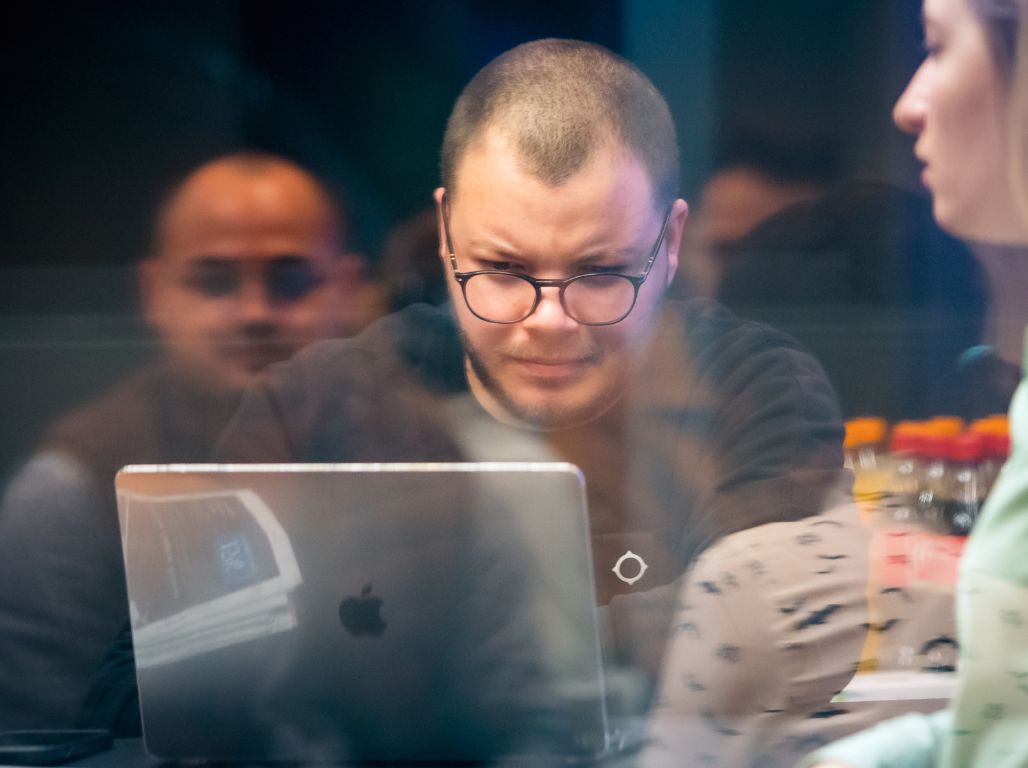
Robert Băjenaru is 28 years old and has been active in the marketing field for nearly a decade. His journey in this world began during his first year of college, when he took an internship creating graphic design materials for various local businesses. From there, his passion and experience gradually expanded into communication, social media, email marketing, performance marketing, influencer marketing, SEO, content marketing, affiliate marketing, and more. Today, Robert describes himself as a true digital marketing generalist, with a broad perspective on the field, built through hands-on experience across most of its key areas.
Fractional Insider: How was your transition from a traditional career to fractional leadership?
Robert Băjenaru: It happened during the pandemic when, like many others, I lost my job at the agency and hiring was quite limited at that time. I started pitching all kinds of small businesses with social media marketing services (content creation, community management, etc.), and it actually went really well. After a while, I was offered a very attractive full-time job, which I accepted. That’s when I realized I didn’t have to give up my small side gigs because I had enough time to do them all.
Fractional Insider: What attracted you most to this model, and what challenges did it bring?
Robert Băjenaru: The financial aspect really played an important role in this decision, but more than that, the versatility my life had gained at that time mattered. One day I was creating email sequences for a full-fledged company, and the next day I was taking photos for content in a restaurant. No one day was like another. The main challenge was, of course, time management, which had to be balanced almost perfectly so I wouldn’t disappoint anyone, but especially myself.
Fractional Insider: How do you choose the projects and clients you work with?
Robert Băjenaru: At first, I can honestly say it wasn’t really a process of choice; I worked with anyone who wanted to work with me. That wasn’t necessarily the smartest approach, as it led to many differences in thinking with collaborators, which in turn caused other issues. The good part is that I quickly realized I didn’t have to work with everyone, and I started selecting based on certain standards I set from the beginning. Those who were okay with them, great; those who weren’t, also fine. Later, when I gained more experience, I learned which niches I preferred to work in and used that along with the previously mentioned standards.
Fractional Insider: Tell us about a moment when you had a major impact as a fractional leader.
Robert Băjenaru: I think it happens quite often because, as I mentioned before, when no day is like another, you learn different things from different places, and at some point, you end up applying lessons learned in one project across three other projects. That’s how I most often had a major impact. For example, in one of my projects, I worked extensively in influencer marketing; in another project, I had never done it before, and when I tried, I already brought a set of knowledge and connections in the market that made the entire process much smoother.
Fractional Insider: What are the main differences between being a full-time executive and a fractional leader?
Robert Băjenaru: Honestly, I don’t see very significant differences because when you respect your work, you give 100%, whether you are fractional or full-time.
Fractional Insider: How do you explain the value of a fractional leader to a skeptical CEO?
Robert Băjenaru: That actually happened to me, and I think the winning approach was when I started talking about all the failures I had already made with other clients and that they wouldn’t have to repeat.
Fractional Insider: What are the most common mistakes companies make when working with fractionals?
Robert Băjenaru: They don’t provide enough understanding. For example, there are situations where you have urgent tasks in one project while working on another, and the CEO or company doesn’t give you the necessary understanding or the freedom to handle the urgent task. I consider this a rather outdated mindset that generates frustration.
Fractional Insider: How do you see the evolution of this career model in the coming years?
Robert Băjenaru: I haven’t thought about it too seriously, but top of mind, it seems to me that people are increasingly open to the idea of a fractional leader, both for financial reasons and for expertise. For example, think about it: for amount X, you can hire someone with Y years of experience full-time (40 hours/week), or you can hire someone with Y+10 years of experience who works with you when needed, up to 25 hours/week.
Fractional Insider: What advice would you give a senior professional considering becoming fractional?
Robert Băjenaru: Think about how much you can learn by surrounding yourself with people from multiple companies and industries at the same time.
Robert Bajenaru’s journey is clear proof that flexibility and courage can open unexpected professional paths. From a traditional start in marketing to embracing the fractional leadership model, he has shown that success doesn’t come solely from stability, but from the ability to adapt and keep learning. Robert’s story demonstrates that the future belongs to those who dare to rethink their professional role and build their career at their own pace, with passion and clarity.