The Fractional Market in Romania and Eastern Europe: Size and Growth Prospects
The fractional model is gaining traction in Romania and Eastern Europe, but how much is the market worth, and what is its growth rate? Explore estimates, trends, and perspectives on the development of one of the most intriguing niches in the labor market.
The fractional model is still new for many entrepreneurs and professionals in Romania. However, looking beyond borders, we see a large-scale movement reshaping the labor market. The idea that a company can access the expertise of a senior executive for just a few days a month—without bearing the costs and rigidity of a permanent commitment—is highly attractive. Naturally, the question arises: how much is this market worth in Romania and, more broadly, in Eastern Europe?
The answer is not straightforward. As an emerging phenomenon, there are no official statistics yet. However, by examining various sources and trends, we can form a realistic picture. Globally, reports show that the fractional market—especially in the executive segment (CFO, COO, CMO, CTO, CHRO)—is growing annually at double-digit rates. In the United States, where the phenomenon is mature, it is already a multi-billion-dollar industry. In Western Europe, the model has consolidated over the last decade, particularly in the UK and Germany.
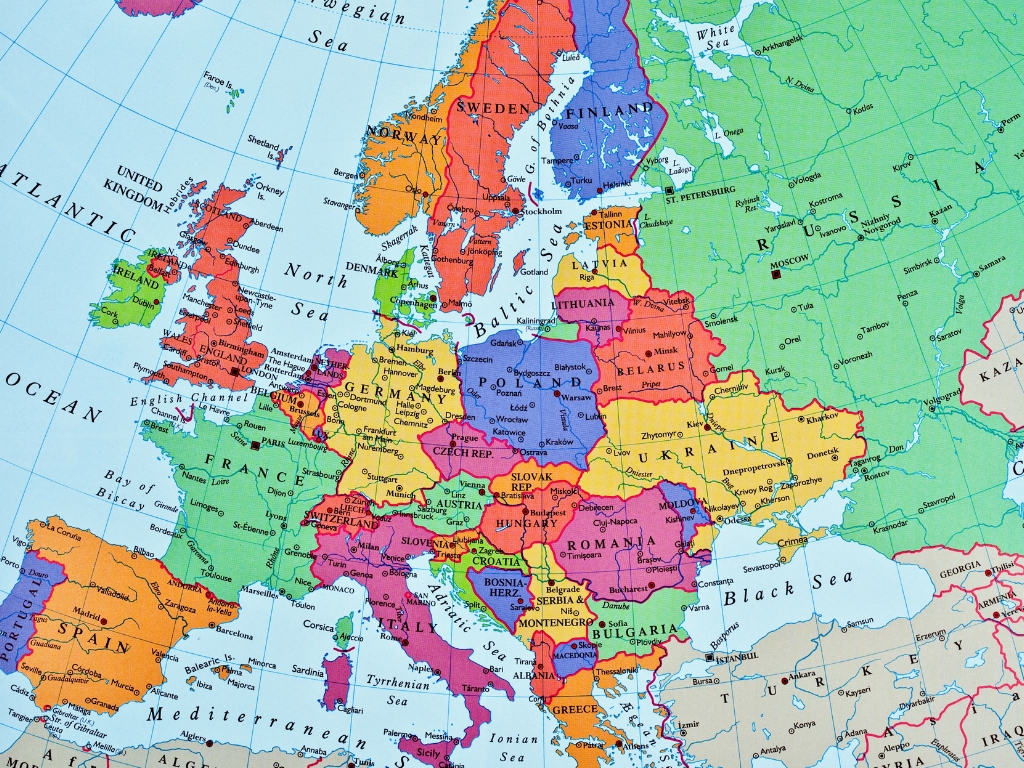
In Eastern Europe, the movement is just beginning. Romania, Poland, the Czech Republic, and Hungary are markets where startups and mid-sized companies feel the pressure to access top-level expertise but cannot afford permanent C-level hires. This demand creates the ideal opportunity for fractional executives. If we estimate that Romania has tens of thousands of mid-sized companies and a few hundred regionally ambitious startups, the market potential is enormous.
The current value of the fractional market in Romania can be estimated at several million euros annually, with a fast growth rate. If only 1% of mid-sized companies hire a fractional CFO or CMO for a few days per month, the market could exceed €50–100 million in the coming years. What now seems like a niche has every chance to become a significant segment of the labor market.
Several factors drive this growth. First, digitalization: companies understand they must transform quickly and need experienced leaders to guide the process. Second, investor pressure: venture capital and private equity funds increasingly require portfolio companies to have solid management teams, even if not full-time. Fractional executives become the ideal solution, providing senior expertise while keeping costs under control.
Another growth driver is the changing mindset of professionals. Senior executives no longer necessarily seek the security of a single employer; they prefer the diversity and autonomy offered by fractional work. As a result, the pool of talent available for such collaborations is steadily increasing.
In Eastern Europe, the adoption pace is also influenced by culture. In emerging economies, the idea of a “part-time executive” was viewed with suspicion until recently. However, as companies face the need to grow rapidly and remain competitive, these prejudices are fading. In Romania, we already see the first agencies and platforms dedicated to connecting fractional executives, showing that the market is organizing and professionalizing.
Another important factor is the high cost of recruiting top roles. The headhunting process for a CEO or CFO can take months and involve significant expenses. In contrast, hiring a fractional executive is faster, more efficient, and more adaptable. In an economy where speed makes a difference, this advantage is decisive.
Looking ahead, we can confidently say that the fractional market in Romania and Eastern Europe is in its early stages but has all the ingredients for rapid expansion. The growing number of startups, investor pressure, the need for digitalization, and shifting organizational culture are factors pushing this model toward mainstream adoption.
Thus, even if the market value today is measured in millions, it is not unreasonable to expect hundreds of millions of euros in the region over the next 5–10 years. For companies, this means easier access to expertise. For professionals, it means more diverse and satisfying careers. For the labor market, it signals a profound structural transformation.
In short, the fractional market in Romania and Eastern Europe is modest in absolute terms today but enormous in potential. Based on experiences in other countries, it is clear that the future belongs to this model.
Photo: Canva